SpaceX Q3: AI out-earns Starlink as revenue hits $14.6B and capex nears $20B
SpaceX (SPCX) reported Q3 2026 revenue of $14.6B, up 161% year over year, and net income of $4.4B. Its Super Intelligence segment brought in $7.6B, more than Starlink, while capex reached $19.6B.
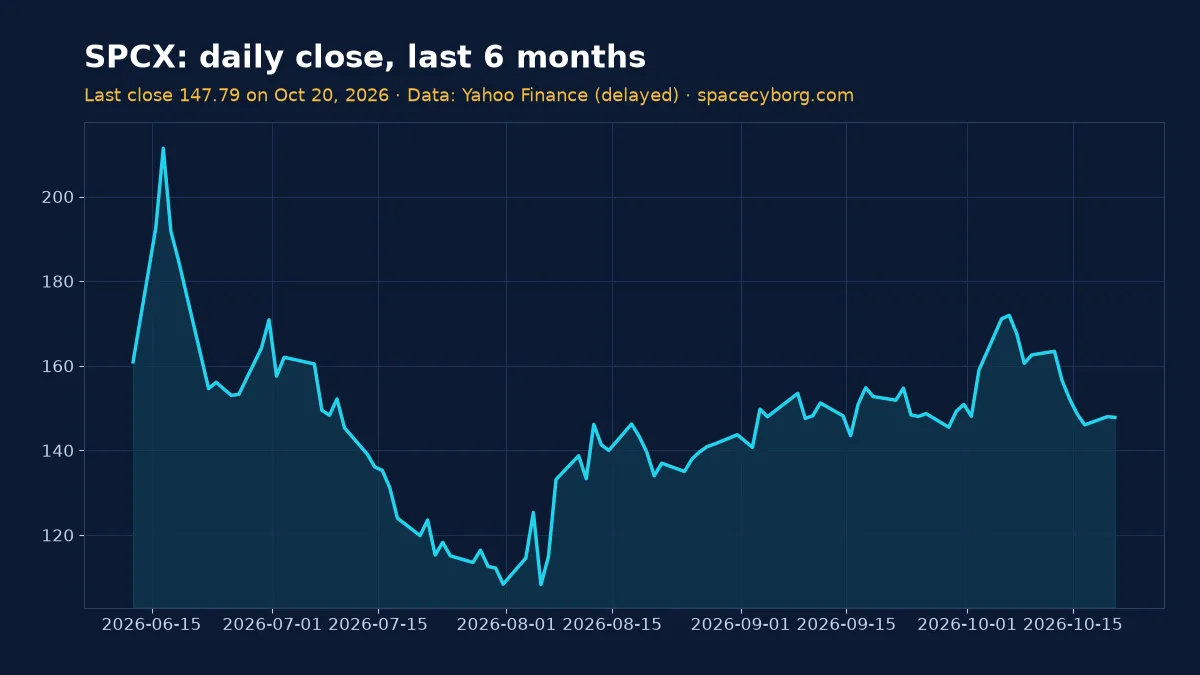
SpaceX (Nasdaq: SPCX) reported its third-quarter 2026 results after the U.S. close on Tuesday, October 20 (late evening CEST), its first full quarter as a public company. Revenue came in at $14.6 billion, up 161% from $5.6 billion a year earlier, and net income was $4.4 billion, against a $1.1 billion loss in Q3 2025 (confirmed, SpaceX earnings release filed with the SEC). The shares rose about 2.5% in extended trading (reported, Reuters via NBC News).
What happened
The headline is that SpaceX's AI business, the Super Intelligence (SI) segment, earned more than Starlink for the first time. Segment figures for the quarter ended September 30 (confirmed, SEC filing):
| Segment | Q3 2026 revenue | Q2 2026 revenue | Q3 operating income |
|---|---|---|---|
| Space (launch) | $1.77B | $0.96B | -$7M |
| Connectivity (Starlink) | $5.25B | $4.29B | $2.37B |
| Super Intelligence | $7.56B | $2.56B | $431M |
| Total | $14.58B | $7.81B | $2.79B |
- Beat: analysts expected revenue of about $12.72 billion and earnings of 13 cents a share, versus 45 cents reported on an IBES basis (reported, Reuters via NBC News; LSEG data).
- Adjusted EBITDA was $8.8 billion, up 306% year over year (confirmed).
- SI revenue rose 195% from Q2, mostly from renting out compute capacity to AI developers such as Anthropic, Google and Reflection AI (reported, Reuters). The company reached 1.7 GW of nameplate compute on September 30 (confirmed) and expects 2.5 to 3 GW by December (reported, Payload).
- Starlink reached 13.6 million consumer subscribers, adding 1.6 million in the quarter, with average revenue per user of $69 a month, up from $66 in Q2 (reported, Payload). Connectivity revenue grew 69% year over year (confirmed).
- Launch: the Space segment completed 12 customer launches and flew its first revenue-generating Starship mission, delivering 26 Starlink V3 satellites (confirmed). Musk said a catch of both booster and ship on Flight 15 next month is "more likely than not" (reported, Payload).
Why it matters for space investors
SpaceX is now as much an AI infrastructure company as a launch and satellite company. Capital spending hit $19.6 billion in the quarter, of which $16.4 billion went to SI (confirmed), so the company still spends more cash than it brings in. Management projected Q4 capex of $35 to $40 billion and Q1 2027 revenue of $33 to $37 billion (reported, Payload). If those numbers hold, the stock will trade mainly on how fast new compute fills up, while Starlink remains the steady profit engine with $2.4 billion of operating income.
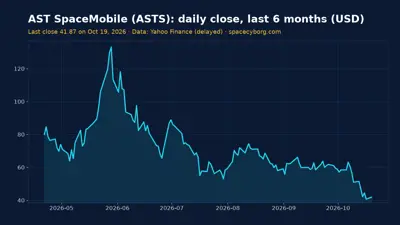
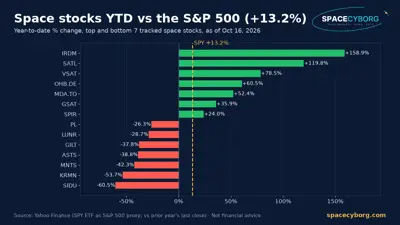
Two other threads matter for the wider sector. Starlink's subscriber growth and direct-to-cell plans are watched closely by holders of AST SpaceMobile and other D2D players (see our ASTS coverage). And the long-rumoured Tesla merger is not settled: Musk said calling it a done deal "would be overstating it", and no terms have been agreed (reported, Payload).
This was the main event of our space earnings week. Follow the SPCX quote page and the calendar for the next reports. Not financial advice.