Ex-Tesla founders' MP Space raises A$23M seed round to mass-produce satellite batteries
Sydney startup MP Space, founded by two former Tesla engineers, raised an A$23M (about US$16M) seed round led by Blackbird to scale satellite battery and power-system manufacturing.
Australian startup MP Space has raised an A$23 million (about US$16 million) seed round to scale up manufacturing of satellite batteries and other spacecraft power hardware. The company announced the round on 26 October 2026, and lead investor Blackbird and co-investor Seraphim Space confirmed it.
What happened
- Investors: Blackbird led the round. Seraphim Space, Systemiq Capital, Speedinvest and MFV Partners also took part. Seraphim says it is its first investment in an Australian company, and that the round is one of the largest seed rounds for an Australian deep-tech company.
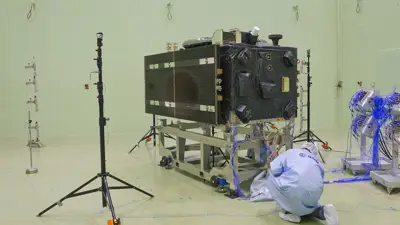
- Founders: Former Tesla engineers Jay Manley (CEO) and Sam Paterson (CCO) founded MP Space in January 2024. The company builds the hardware and software that generate, store and manage power on spacecraft.
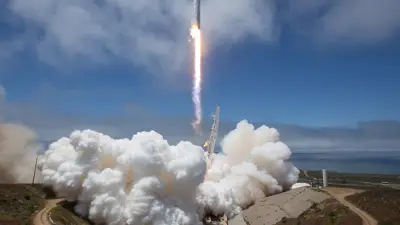
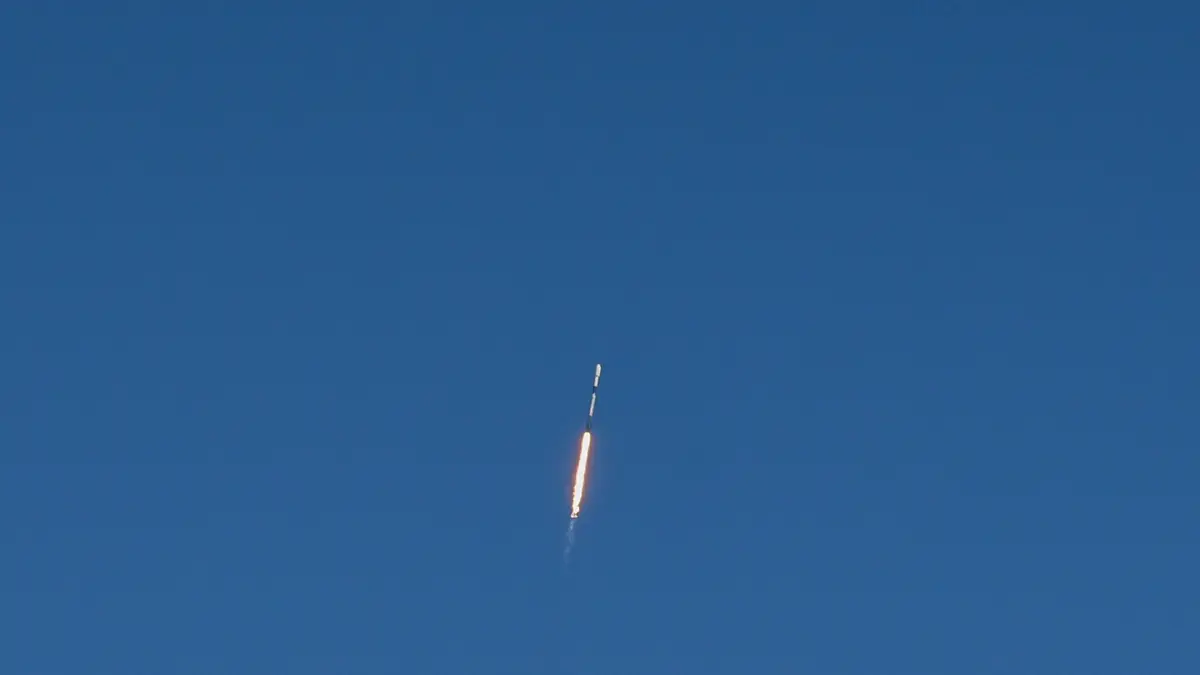
- Traction: Its batteries flew for the first time this month with an undisclosed customer on SpaceX's Bandwagon-5 rideshare (reported, Payload). The company says it has been designed into missions totalling more than 500 spacecraft (confirmed, company and investors).
- Use of funds: The money will expand manufacturing and the engineering team in Sydney. Manley told Payload the goal is "5,000 space widgets per year, by the end of next year." MP Space also plans to make more of the power chain, including maximum power point trackers, chargers, power-conditioning and distribution units, and solar-array drive assemblies.
- Pricing claim: Manley told Payload he can sell "about a fifth to a third below the market average while still making a profit." This is the company's own claim and has not been checked independently.
Why it matters for space investors
Power systems are a quiet bottleneck for satellite makers. Most operators either buy from a slow, expensive supply chain or build batteries in-house. MP Space wants to be a third option, priced like the automotive industry. Manley also says Starship-era satellites will need power products about 10 times bigger. If constellation builders can buy cheaper standard power hardware, their costs per satellite fall. That matters for listed small-sat names such as Rocket Lab and Redwire, which compete in spacecraft components. The company is private and early-stage. Our earlier coverage of the Bandwagon-5 rideshare is here.
Not financial advice.