SpaceX seeks to more than double its Kennedy Starship campus as Florida's first Starship flight takes shape
A NASA draft environmental assessment would grow SpaceX's Roberts Road Starship campus at Kennedy Space Center from about 167 acres to nearly 400, while LC-39A gets ready for a first Florida Starship launch that NASASpaceflight says could come as early as late January.
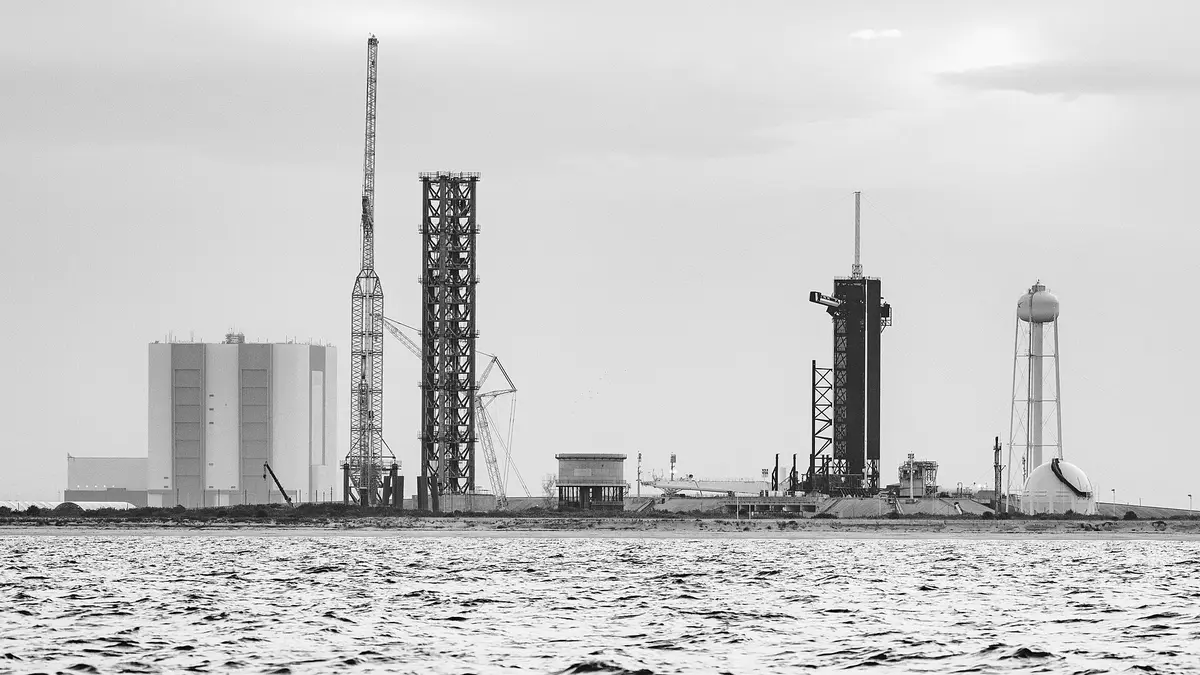
SpaceX wants to grow its Roberts Road campus at NASA's Kennedy Space Center in Florida from about 167 acres to nearly 400 acres to support Starship production and testing, according to an October 13 preliminary Draft Programmatic Environmental Assessment prepared for NASA (reported by WESH on October 23 and NASASpaceflight on October 25). At the same time, the company is readying Launch Complex 39A for Flight 16, which NASASpaceflight estimates could become the first Starship launch from Florida as soon as late January 2027, if testing goes smoothly.
What happened
- The expansion plan: the draft assessment covers new manufacturing and maintenance buildings, warehouses, offices, roads, parking, utilities and a payload processing facility, plus a Starship test stand for pressure tests and engine firings, an area previously called "Project Ignition" in state permitting documents (reported, WESH). NASASpaceflight adds that the plan includes a new road linking Roberts Road to NASA Parkway and that SpaceX would likely build more Gigabays, the tall hangars used to stack Starship vehicles.
- Not approved yet: the document is part of NASA's review under the National Environmental Policy Act. It goes through public comment and final approvals, and individual projects could need further permits, because some of the land includes wetlands and flood-prone areas next to the Merritt Island National Wildlife Refuge (reported, WESH and NASASpaceflight).
- Where things stand today: SpaceX has built the first Florida Gigabay at Roberts Road and has not yet started a Starfactory in Florida (reported, NASASpaceflight).
- LC-39A readiness: SpaceX added two more liquid methane tanks, bringing the pad to nearly 5,000 metric tons of methane storage, installed a reinforced roof on the tower on October 12 to protect it during ship catches, and has begun activation tests of pad systems (reported, NASASpaceflight).
- The Flight 16 vehicles: Booster 23 finished cryo-proof testing on October 15 and Ship 43 on October 23. Based on earlier ships, NASASpaceflight expects Ship 43 to be ready for static fire in mid-December and to ship to Florida in early to mid-January, because there is no ship-testing capability at Kennedy yet. Booster 23 can be static-fired on LC-39A itself.
- Flight 15 first: Flight 15 is expected to fly from Starbase, Texas, in November (reported, NASASpaceflight).
- SLC-37: SpaceX's second Florida Starship complex has propellant tanks in place, but NASASpaceflight estimates it will take another year or more for pad 37A to become operational; work on 37B is limited to foundations.
Why it matters for space investors
A second Starship launch site in Florida is central to the flight rate SpaceX needs for bigger Starlink satellites and for NASA's Artemis lunar lander, whose plans we covered in our Artemis briefing story. Building, testing and refurbishing vehicles next to the pads would cut the slow barge trips from Texas that NASASpaceflight says Ship 43 still needs. For SpaceX shareholders the key point is that the Florida expansion is still only proposed: the environmental review, permits and the late-January target are all estimates that can slip. Keep an eye on upcoming launches on our launch calendar.
Not financial advice.