NASA safety panel urges rethink of Artemis IV Moon landing and warns on future access to orbit
NASA's Aerospace Safety Advisory Panel will recommend the agency re-examine Artemis IV's objectives and architecture, citing a panel estimate of about 22 refuelling flights for SpaceX's lander (Musk says 6 to 8), and warned that the end of Falcon and Dragon threatens US crew access to low Earth orbit.
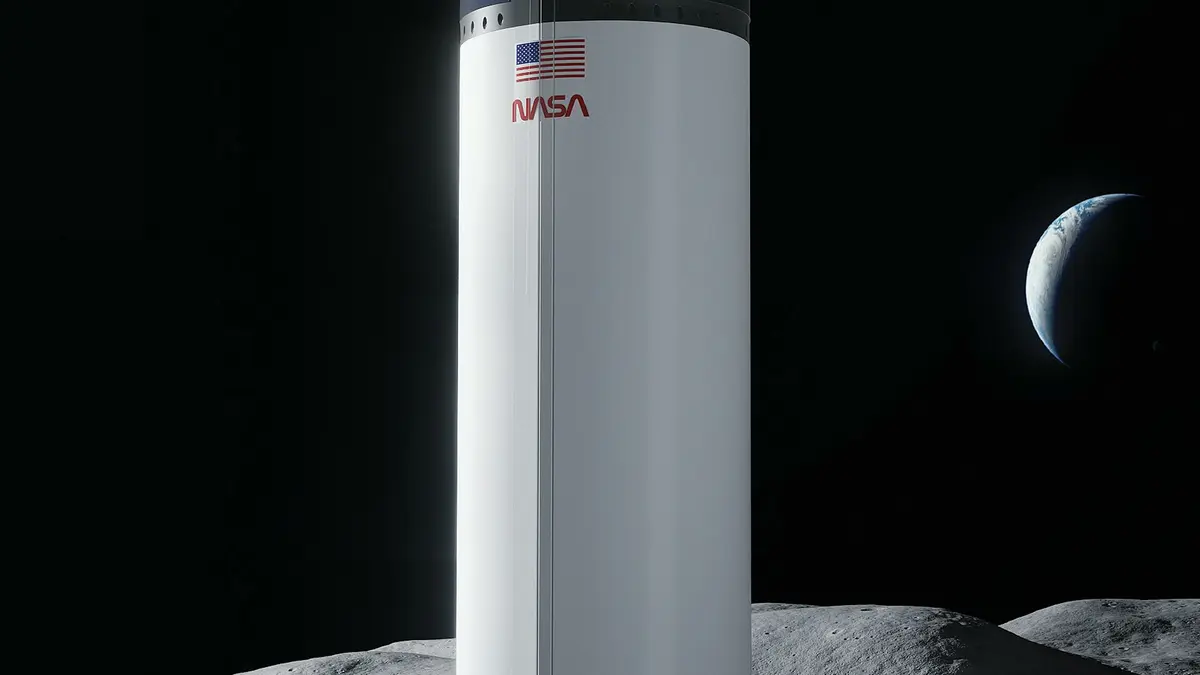
NASA's Aerospace Safety Advisory Panel (ASAP), the independent safety board Congress created after the 1967 Apollo 1 fire, said at its fourth-quarter meeting on October 22 (19:30–21:00 CEST) that it will formally recommend NASA re-examine the objectives and possibly the system architecture of Artemis IV, the mission now planned as the first crewed Moon landing since 1972 (reported, SpacePolicyOnline and Ars Technica).
What happened
- Too many firsts: panel member Charlie Precourt, a former astronaut, said Artemis IV carries "a large number of firsts that reduce the likelihood of mission success" (reported, Ars Technica). The landing targets the lunar south pole, with steep slopes, low Sun angles and temperature extremes, using brand-new landers from SpaceX (Starship) and Blue Origin (Blue Moon MK2).
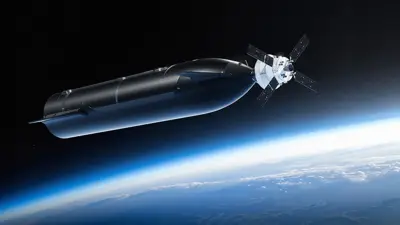
- The refuelling question: Precourt said the panel's latest estimate is around 22 flights to fuel SpaceX's lander for the trip to lunar orbit. Elon Musk replied on X that this is "way too high" and the real number will be "more like 6 to 8" (reported, Ars Technica). In-space cryogenic propellant transfer has never been demonstrated; NASA's Kelvin Manning said SpaceX plans a demonstration in early 2027 and an uncrewed landing test in late 2027 (reported, SpacePolicyOnline).
- Timeline: NASA currently plans an Earth-orbit Artemis III docking rehearsal with both landers in 2027 and Artemis IV in 2028 (reported, SpacePolicyOnline). The panel wants a detailed ground and flight test plan for every objective, including the providers' uncrewed lander demonstrations.
- Low Earth orbit risk: panel member Paul Hill warned that SpaceX's plan to wind down Falcon and Dragon once Starship is reliable leaves NASA exposed, because Crew Dragon is the only US vehicle flying crews to the ISS. Boeing's uncrewed Starliner-1 test is no earlier than mid-January, and the ISS deorbit vehicle SpaceX is building was meant to fly on Falcon. NASA issued the final request for proposals for commercial space stations two weeks ago, with first awards not before autumn 2027 (reported, SpacePolicyOnline).
Why it matters for space investors
ASAP has no power to stop missions, but its recommendations carry weight with NASA and Congress, and a call to rework Artemis IV raises the odds of schedule changes or extra test flights. For SpaceX, the dispute over 22 versus 6 to 8 tanker flights goes to the heart of Starship's lunar economics. For Boeing, Starliner's role as the second crew vehicle is back in the spotlight. Commercial station hopefuls and lunar suppliers such as Intuitive Machines and Redwire depend on NASA keeping its LEO and Moon plans funded and on track. NASA was due to give an Artemis update today; we will track any date changes on the launch calendar. Not financial advice.