
Xona raises $250M at $2.45B valuation to build a commercial GPS rival in low Earth orbit
Navigation startup Xona Space Systems raised a $250 million Series D led by Steve Jurvetson's Future Ventures at a $2.45 billion valuation, taking total funding past $570 million as its Pulsar constellation heads for first commercial service in 2027.
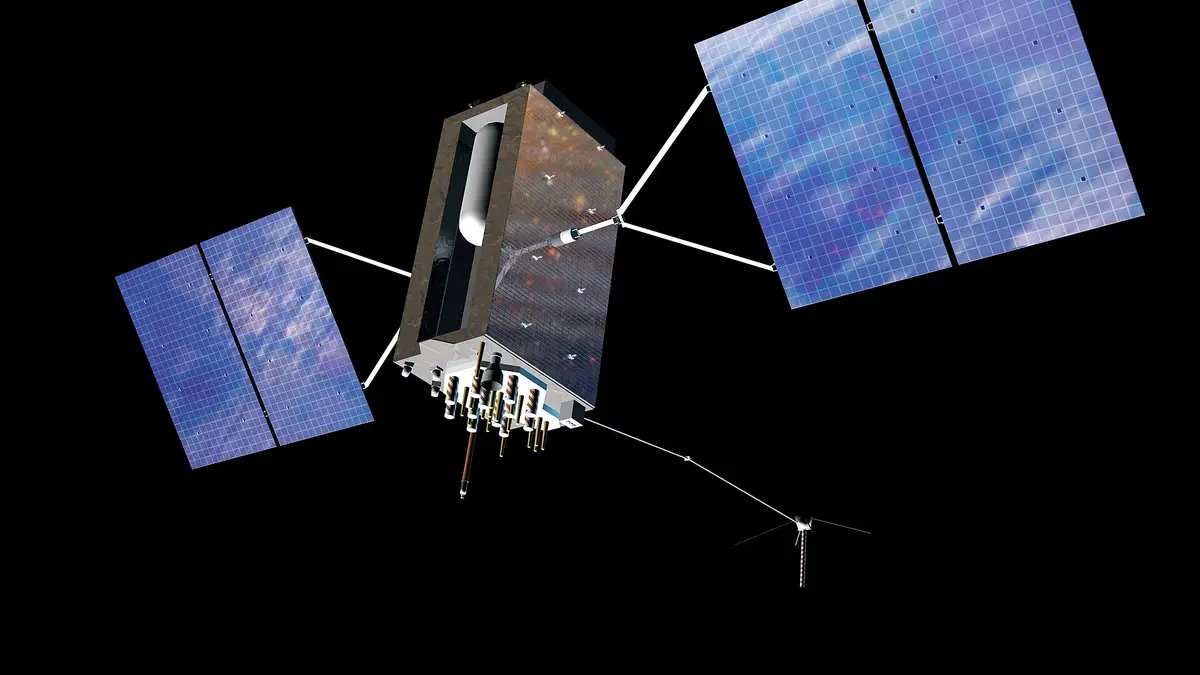
Xona Space Systems, the Burlingame, California startup building a commercial alternative to GPS in low Earth orbit, announced a $250 million Series D on October 22 that values the company at $2.45 billion (confirmed, Xona press release via Business Wire). The round was led by Steve Jurvetson's Future Ventures and takes Xona's total funding since 2019 to more than $570 million.
What happened
- The round: Future Ventures led, with new and existing investors that were not named (confirmed, Xona). Forbes reported that Future Ventures put in $78.5 million and that the raise came seven months after a $170 million Series C (reported).
- The network: Xona's Pulsar constellation is planned at about 258 satellites (reported, Payload and Forbes). The company says Pulsar delivers centimetre-level precision and signals up to 100 times more powerful than GPS, with resistance to jamming and the ability to reach receivers indoors (confirmed, Xona).
- Deployment has started: Xona launched six Pulsar satellites on SpaceX's Bandwagon-5 rideshare (covered in our Bandwagon-5 report): four modified Pulsar-0 satellites built with Aerospacelab, which will begin service, and two in-house Pulsar Test Satellites to validate Xona's own design (reported, Payload).
- Milestones: in August Xona became the first commercial GPS-style constellation to win FCC approval to broadcast L-band signals, and it plans to start a timing service for early commercial users in 2027 and to test integration with Army, Navy and Air Force assets (reported, Payload).
- Factory ramp: the company opened a production facility in Burlingame in April and is targeting capacity for 50 satellites a year by the end of 2027, according to CEO Brian Manning (reported, Payload). Days before the round it received CA$15 million from Canada to expand in Montreal (reported, Payload).
Why it matters for space investors
Navigation is the third big satellite market after communications and Earth observation, and it has been almost entirely government-run. Xona is betting that GPS jamming and spoofing, which Manning linked to disruption of more than 2,000 ships near the Strait of Hormuz, plus demand from autonomous vehicles, robotics and aviation, will make people pay for a stronger, more precise signal. A $2.45 billion private valuation before commercial service shows how much capital is still flowing to low-orbit constellations that copy the Starlink model of mass-produced satellites.
Xona is private, so there is no ticker to buy. The listed names most exposed to the same themes are rideshare and launch providers such as SpaceX and Rocket Lab, and defence primes such as L3Harris and Lockheed Martin, which build today's GPS satellites and military receivers. Watch whether the Pulsar satellites now in orbit hit their 2027 service date. Not financial advice.
Sources
- Business Wire: Xona Raises $250M as Next-Generation Global Navigation Network Begins Deployment (press release)
- Payload: Xona Raises $250M Series D to Scale Commercial GPS Constellation
- SpaceNews: Navigation startup Xona raises $250 million as it begins satellite deployment
- Xona: What Comes After GPS, Our $250M Series D
- Forbes via Yahoo Finance: SpaceX Investor Backs $2.45 Billion Startup Taking The Starlink Model To GPS