NASA asks industry how to reboost, upgrade or safely deorbit Hubble by 2032
NASA has opened a Request for Information asking companies how they could boost Hubble to at least 600 km, service it, or bring it down safely, with a mission expected by 2032 and responses due November 30.
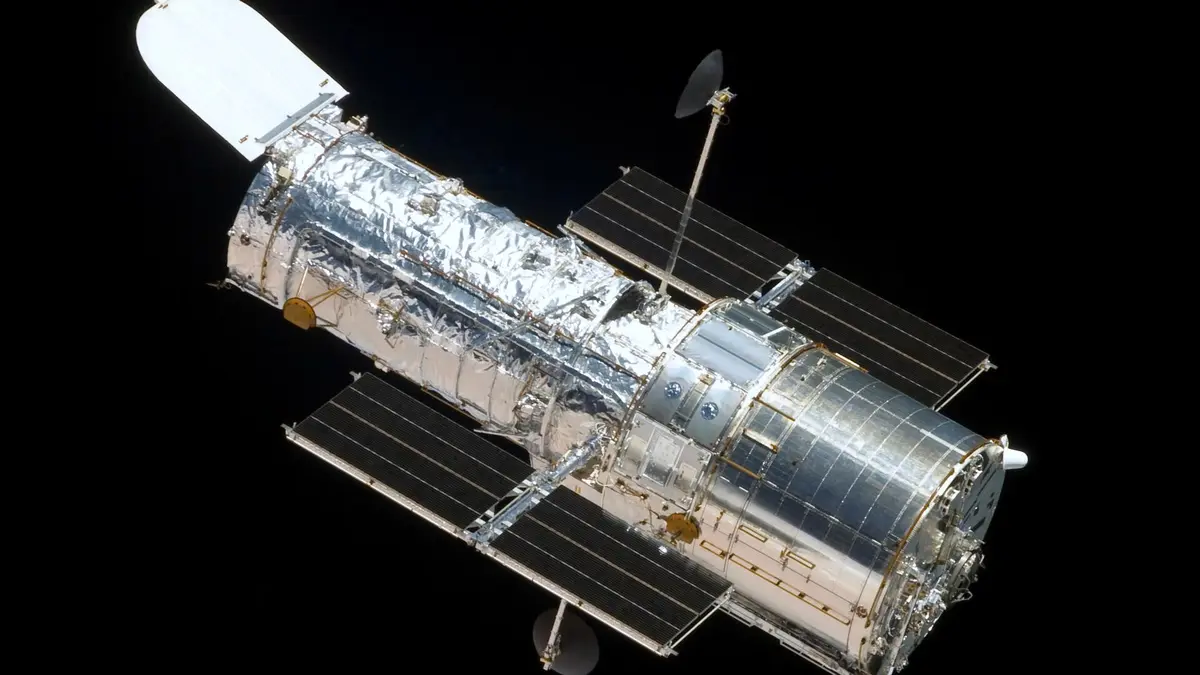
NASA wants to know whether a commercial company can save the Hubble Space Telescope. The agency's Goddard Space Flight Center published a Request for Information (RFI, notice 80GSFC27RFIHSTS) on 29 October 2026, around 19:48 CET, and announced it on 30 October. Responses are due by 15:00 EST (21:00 CET) on Monday, 30 November.
What happened
- Three mission options: NASA asks about the current and near-term ability to (1) capture Hubble and boost it to at least 600 km, (2) service it to improve its performance and lifetime, or (3) perform a controlled reentry or disposal (confirmed, NASA RFI).
- The deadline is physics: Hubble has no propulsion system and is slowly losing altitude to atmospheric drag. A lifetime analysis from July 2026 gives a 10% chance of reentry by September 2032 and 50% by December 2033, so NASA expects any mission to fly by 2032 (confirmed, NASA).
- Industry pays its own way: the contractor would supply the launch vehicle, spacecraft, servicing vehicle operations and "crew if applicable". Goddard would provide technical data, expert consultation and coordinated Hubble operations (confirmed, NASA RFI).
- No commitment yet: this is not a request for proposals, and NASA says it will use the answers to finalise a possible RFP (confirmed, NASA RFI). Ars Technica notes that NASA is asking who could do it, at what cost and on what schedule (reported).
- Why keep it: the RFI says Hubble is oversubscribed more than 7 to 1, produces over 1,000 scientific papers a year and has no replacement expected before about 2040. NASA Administrator Jared Isaacman said the agency should look at "every reasonable opportunity" to keep it working (confirmed, NASA).
Why it matters for space investors
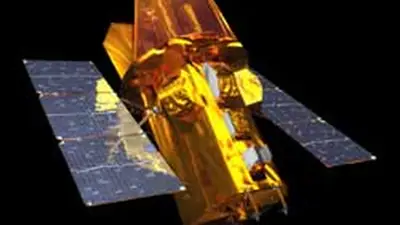
A Hubble reboost would be one of the most visible commercial in-orbit servicing jobs yet, and it comes days after the end of the Swift observatory, where a commercial rescue attempt could not capture its target in time. Any winner would need rendezvous, capture and propulsion capability that few companies have flown. Listed names with exposure to this area include Northrop Grumman, which has docked servicing vehicles to satellites in orbit, and Lockheed Martin, which already supports Hubble operations at Goddard. Astroscale, which just won a UK defence contract built on its close-approach missions, is another servicing specialist to watch. For now, the RFI is market research, not money, so the real signal will be whether an RFP follows in 2027.
Not financial advice.