Tumbleweed raises €6.9M seed to build Oasis Beta reentry vehicle for microgravity research
Vienna-based Tumbleweed closed a reported €6.9 million ($7.7 million) seed led by PactVC to fund Oasis Beta, a reentry-capable orbital research vehicle planned for 2028, plus at least three Pod missions in 2027.
Austrian startup Tumbleweed announced on November 3, 2026 a €6.9 million (about $7.7 million) seed round to develop Oasis Beta, an in-orbit research vehicle designed to reenter Earth's atmosphere with customer samples beginning in 2028, and to fly at least three Pod-payload missions in 2027 (reported, Payload; Tech.eu). PactVC led; Vanagon Ventures, Prototype Capital, EWOR and angels including SES cofounder Candace Johnson participated (reported, Payload).
What happened
- The round: Tech.eu and Tech Funding News describe it as Austria's largest spacetech seed to date. More than one-third of Tumbleweed's roughly 25 employees have invested their own money across rounds (reported, Tech.eu; Tech Funding News).
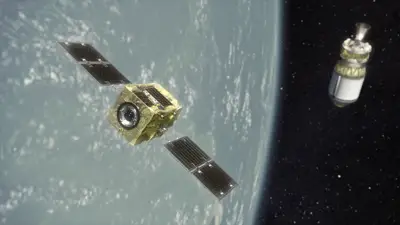
- Oasis Beta: the company is building its own reentry vehicle so customers can retrieve physical samples rather than only downlink data. CEO Julian Rothenbuchner told Payload the firm is also evaluating partnerships with other reentry providers while developing Beta in parallel (reported, Payload). Earlier comments pointed to a possible late-2027 flight; the latest coverage puts operational return missions in 2028 (reported, Tech Funding News).
- 2027 flights: at least three booked missions (suborbital and orbital), expected to carry more than ten customers from medical research, biotech and agritech. One goal is late payload integration so live samples can be loaded days before launch (reported, Payload; Tech.eu).
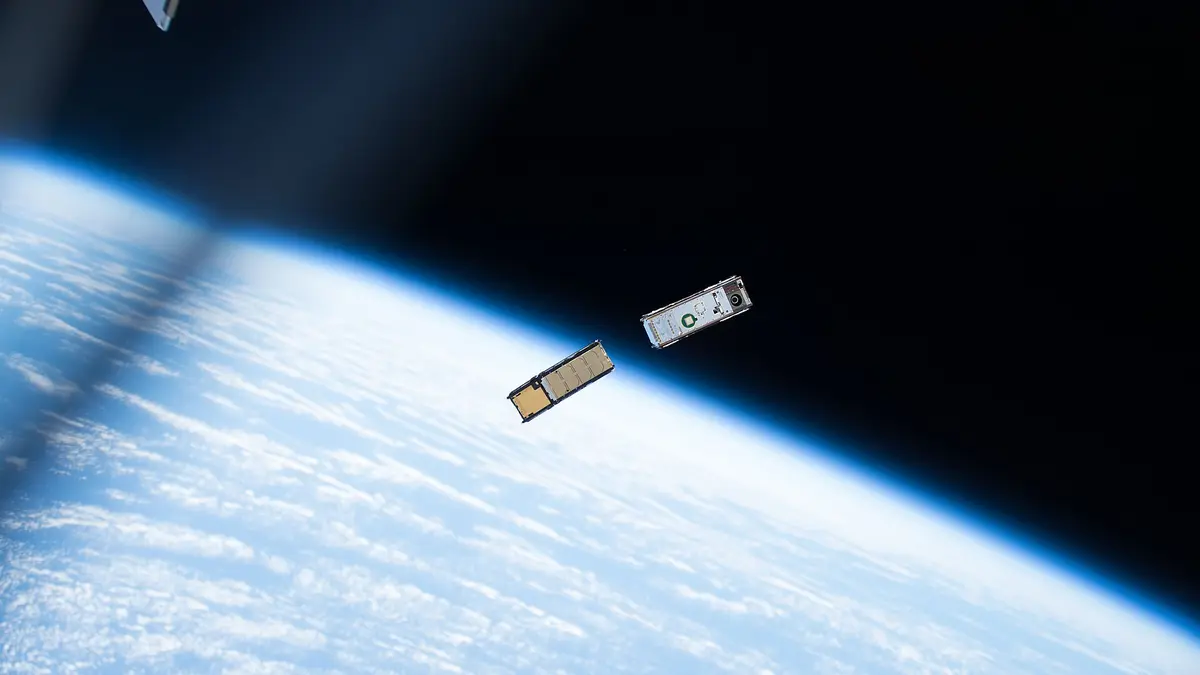
- First flight already done: Oasis Alpha, a 3.6 kg CubeSat and Austria's first commercial satellite, launched on SpaceX Transporter-17 on July 7, 2026 with four first-time space customers (reported, Tech.eu; Tech Funding News). The company says non-space labs ran experiments in three to four months for around €30,000 on that path; a listed €15,000 offering covers Pod, support, launch and ops with remote experiment access (reported, Tech.eu).
- Product model: pre-certified, fault-isolated laboratory Pods that customers outfit on the ground; once on orbit, each Pod behaves like a remote server. Tumbleweed argues certification and ops—not the rocket seat—are the real bottleneck for pharma and biotech (reported, Tech.eu; Tech Funding News).
- Launch mix: first ride was SpaceX; Rothenbuchner says the company cannot depend on a single U.S. provider and has an MoU with French launcher SIRIUS Space Services to test Pod compatibility (reported, Tech Funding News).
Why it matters for space investors
Microgravity R&D and sample-return sit next to a crowded European and U.S. reentry race that includes better-funded peers such as Varda (covered on our Bandwagon-5 / Starfall W-7 report). Tumbleweed is betting on process and price—certified containers and short lead times—rather than owning the best capsule alone. The seed is small beside mega-rounds elsewhere, so execution on the 2027 Pod flights and a safe Oasis Beta return in 2028 are the near-term proof points.
Tumbleweed is private. Listed exposure to rideshare and return-adjacent themes runs through SpaceX and Rocket Lab; European satcom context includes SES given the angel link. Watch 2027 mission cadence and whether first customers rebook after Alpha. Mission dates will show up on our launch calendar as they firm.
Not financial advice.