Isaacman: no SLS launch for Artemis III until Blue Origin's Blue Moon is checked out in orbit
NASA Administrator Jared Isaacman says Artemis III will not commit SLS until Blue Origin's Blue Moon test lander, able to loiter about 30 days in orbit, is up and checked out, and names the lander as the main schedule driver.
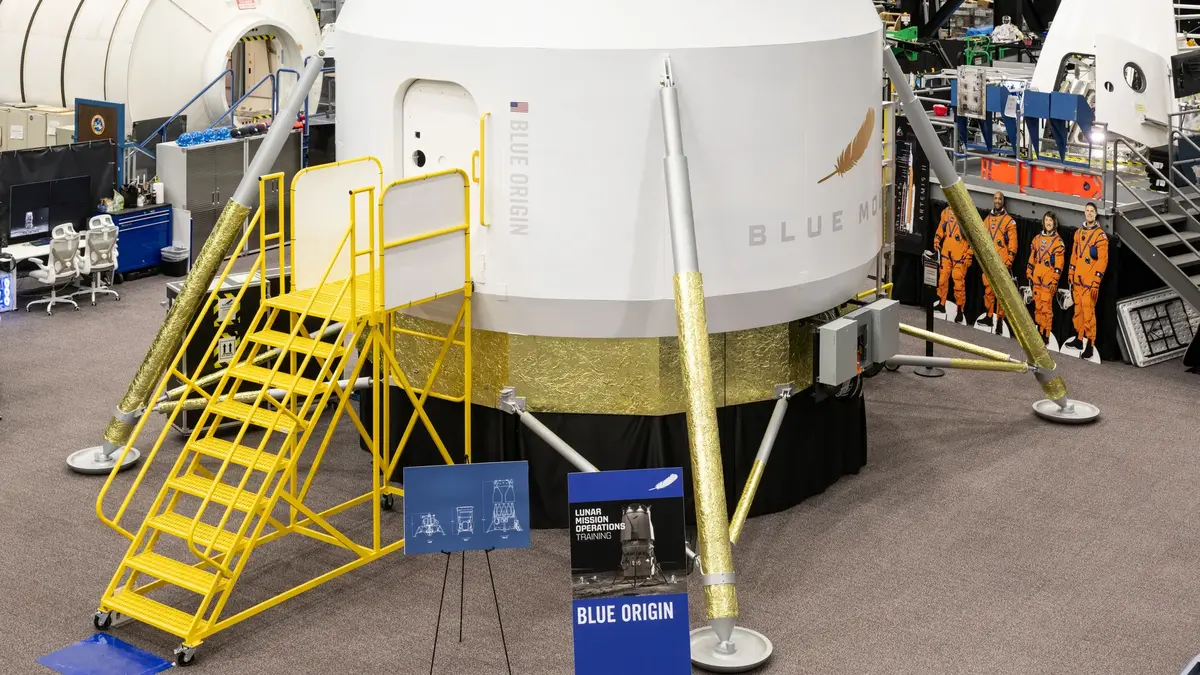
NASA Administrator Jared Isaacman has spelled out the launch order and the go/no-go logic for Artemis III, the crewed Earth-orbit test planned for 2027. In an interview with NASASpaceflight published on October 31, he said NASA will only launch SLS and Orion once Blue Origin's Blue Moon lander test article is already in orbit and checked out (reported, NASASpaceflight). "We're not going to launch without Blue Origin in it," he said.
What happened
- Blue Origin goes first: Artemis III opens with a New Glenn launch of the Blue Moon Mark 2 test article, followed by SLS/Orion with the crew and then a Starship launch, three launches from three providers (reported, NASASpaceflight). NASA's own mission page confirms the order and says the Blue Moon test article can stay in orbit for up to 30 days, with Orion launching "only days after" it is confirmed healthy (confirmed, NASA).
- SLS is the point of no return: "You're committed once SLS goes. So Blue has got to go in order to trigger SLS," Isaacman said, adding that Starship follows from there (reported, NASASpaceflight).
- The plan in numbers: NASA describes a roughly 14-day mission in which Orion docks with Blue Moon and the crew enters it, then undocks and docks with a Starship Version 3 test article for up to two hours without crew entry (confirmed, NASA). NASA officials have pointed to a summer 2027 launch, with a chart showing a possible May to September window (reported, Aerospace America).
- The lander is the bottleneck: asked what drives the schedule, Isaacman said "for sure, the lander. We don't have a fully assembled Blue test article yet," while noting Blue Origin is making substantial progress (reported, NASASpaceflight).
- NASA is lending hands: Isaacman said NASA has used C-17 aircraft to move large structural domes from the West Coast to the East Coast for Blue Origin and deployed hundreds of personnel to help with pad recovery and anomaly investigation work. He also said NASA would accept "slipping another month" if that yields more data from Blue Origin's lander (reported, NASASpaceflight).
- An Apollo 9 rehearsal either way: he said NASA would insist on a low-Earth-orbit rehearsal even if both landers were ready today, and described future multi-launch campaigns, including fission-powered spacecraft, as the direction of travel (reported, NASASpaceflight).
Why it matters for space investors
Making Blue Moon the trigger for the whole mission puts Blue Origin, which is privately held, squarely on Artemis III's critical path, while SpaceX flies a lighter docking test later in the mission. For suppliers tied to SLS and Orion, such as Boeing, Northrop Grumman and Lockheed Martin, the message is that their launch date now depends on another company's hardware being ready and healthy in orbit. Isaacman's comments build on NASA's revised lander plan, which we covered in our Artemis briefing story, and on the original Artemis III Earth-orbit test. Launch dates will be tracked on our launch calendar.
Not financial advice.