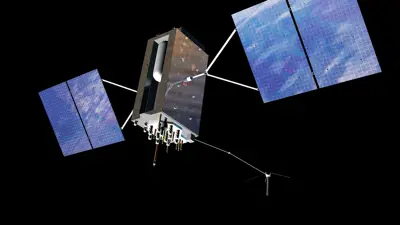
Pentagon backs Orbital Operations with up to $35M to fly Astraeus, a refuelable cryogenic 'space tug'
Long Beach startup Orbital Operations has won up to $35M from the U.S. Department of Defense to fly a full-scale in-orbit demo of Astraeus, a hydrogen-oxygen manoeuvring vehicle built to stay in orbit for years, and closed a $7M seed extension.
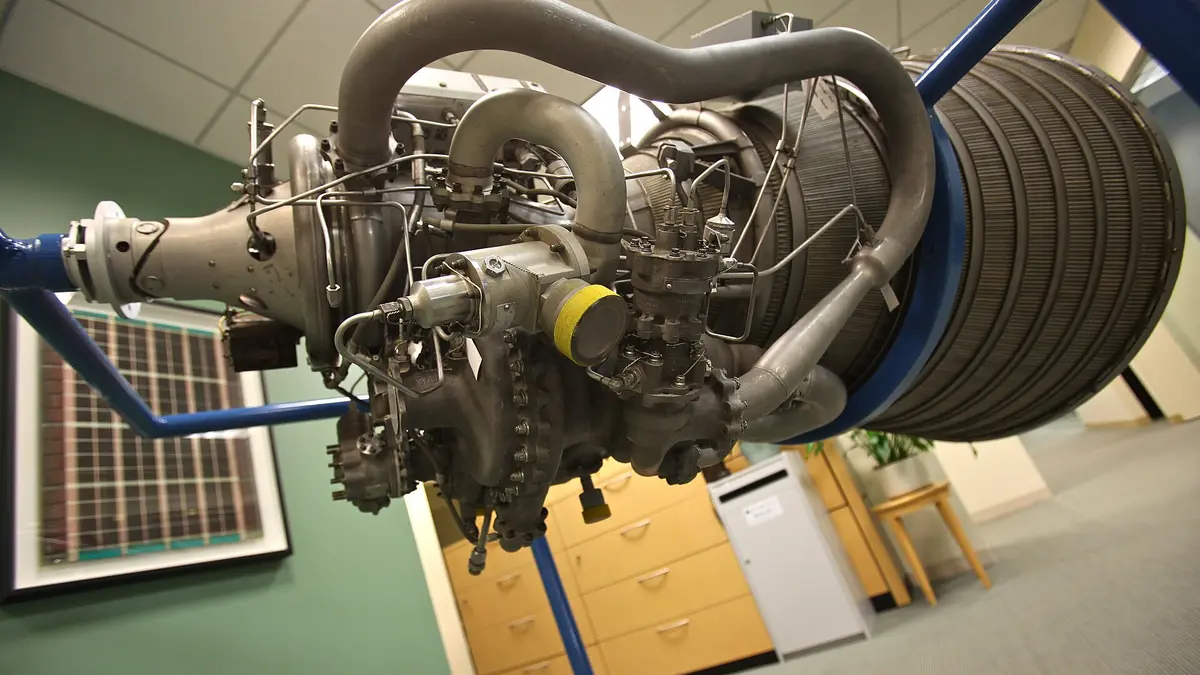
Orbital Operations, a startup based in Long Beach, California, has won up to $35 million from the U.S. Department of Defense under a prototype Other Transaction Agreement to fly a full-scale, in-orbit demonstration of Astraeus, its cryogenic manoeuvring vehicle, Payload reported in an exclusive on October 23 (15:00 CEST). The company also closed a $7 million seed extension led by DTX Ventures, bringing its total raised to about $16 million (reported, Payload).
What happened
- The award: the DoD deal is a prototype Other Transaction Agreement, a contracting tool the Pentagon uses to fund demonstrations with commercial firms. CEO and cofounder Ben Schleuniger told Payload the government money "is really to get us to that first flight" (reported, Payload).
- The investors: GoAhead Ventures and Solaris Ventures joined the seed extension, with follow-on money from Initialized Capital, Harpoon Ventures, TRAC VC and others (reported, Payload).
- The vehicle: Astraeus is meant to bring launch-vehicle-class propulsion to on-orbit operations. It burns liquid hydrogen and liquid oxygen, and an onboard refrigeration system is designed to stop the propellants boiling off so the vehicle can stay in orbit for years rather than the week or so a disposable upper stage lasts. After moving payloads to higher orbits, it is built to return to low Earth orbit to refuel, and the same base vehicle can be fitted for logistics, tactical or refuelling missions (reported, Payload).
- Speed as the selling point: the company aims to carry out manoeuvres within single-digit hours of a command, well inside the 48-hour window Schleuniger says military operators want. He describes Astraeus as a "reusable third stage" and compares it to the C-130 Hercules transport aircraft (reported, Payload).
- Timeline: the roughly 13-person team went from closing its seed round to a full-pressure engine hot-fire in under six months. More hot-fires, refrigeration-cycle work and qualification come next (reported, Payload), and the culminating demo mission is planned for the second quarter of 2029 (reported, Orbital Wire).
- Context: Payload notes that between October 15 and 19, LeoLabs tracked Russia's Cosmos 2612 closing to about 500 m of ICEYE-X36, a U.S.-flagged radar satellite, before drifting away. Schleuniger said demand was high even before that incident and pointed to U.S. Space Command's 2029–2033 technology priorities, which list sustained space manoeuvre as a top need (reported, Payload).
Why it matters for space investors
"Space mobility" is becoming a funded defence category rather than a slide in a pitch deck: the Pentagon is paying for flight hardware that can move and refuel in orbit instead of drifting until its propellant runs out. Long-life cryogenic storage is also the same hard problem behind Moon-landing plans, where SpaceX and Blue Origin are working around in-orbit refuelling, as we explained in our Artemis briefing story. Orbital Operations is private and still years from flight, so there is no direct way in for public-market investors. The main signals are that defence money keeps reaching early-stage space startups (see also Xona's $250M round) and that listed suppliers of orbital transfer and propulsion hardware, such as Rocket Lab, face more competition for Space Force budgets. The DoD funding pays for a prototype; it is not proof that the refrigeration system works in orbit.
Not financial advice.